FUNDAMENTALS
How to Programme Strength Training for Optimal Muscle Growth
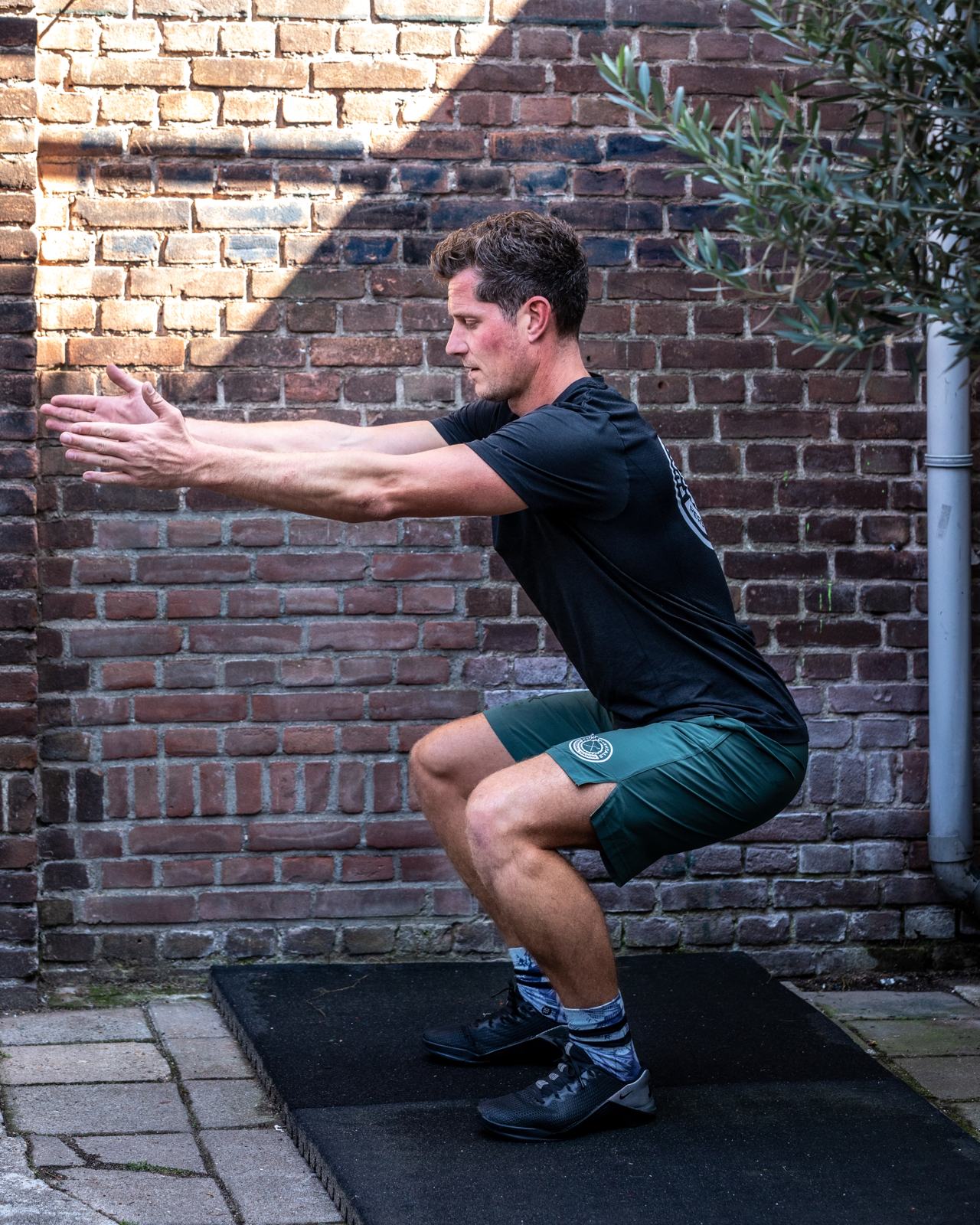
Training volume: working sets per muscle group per week
What is a working set? A working set uses enough load to provide a significant training stimulus. It is not a warm-up set, but a set that challenges your body.
How many working sets do you need?
Research shows that the total number of working sets per muscle group each week is the strongest predictor of muscle growth. Brad Schoenfeld and colleagues (2016) demonstrated a clear dose-response relationship: more volume generally produces more muscle growth, up to a point.
More is not always better. What matters is effective volume that you can recover from. An advanced athlete can handle more volume because their body recovers more efficiently and their technique is better developed. A beginner who immediately attempts 20 sets per muscle group will burn out.
Repetitions, intensity and differences between men and women
The repetition range
Almost any repetition range can produce muscle growth, provided sets are performed close to muscular failure. However, there is a sweet spot for most people:
Differences between men and women
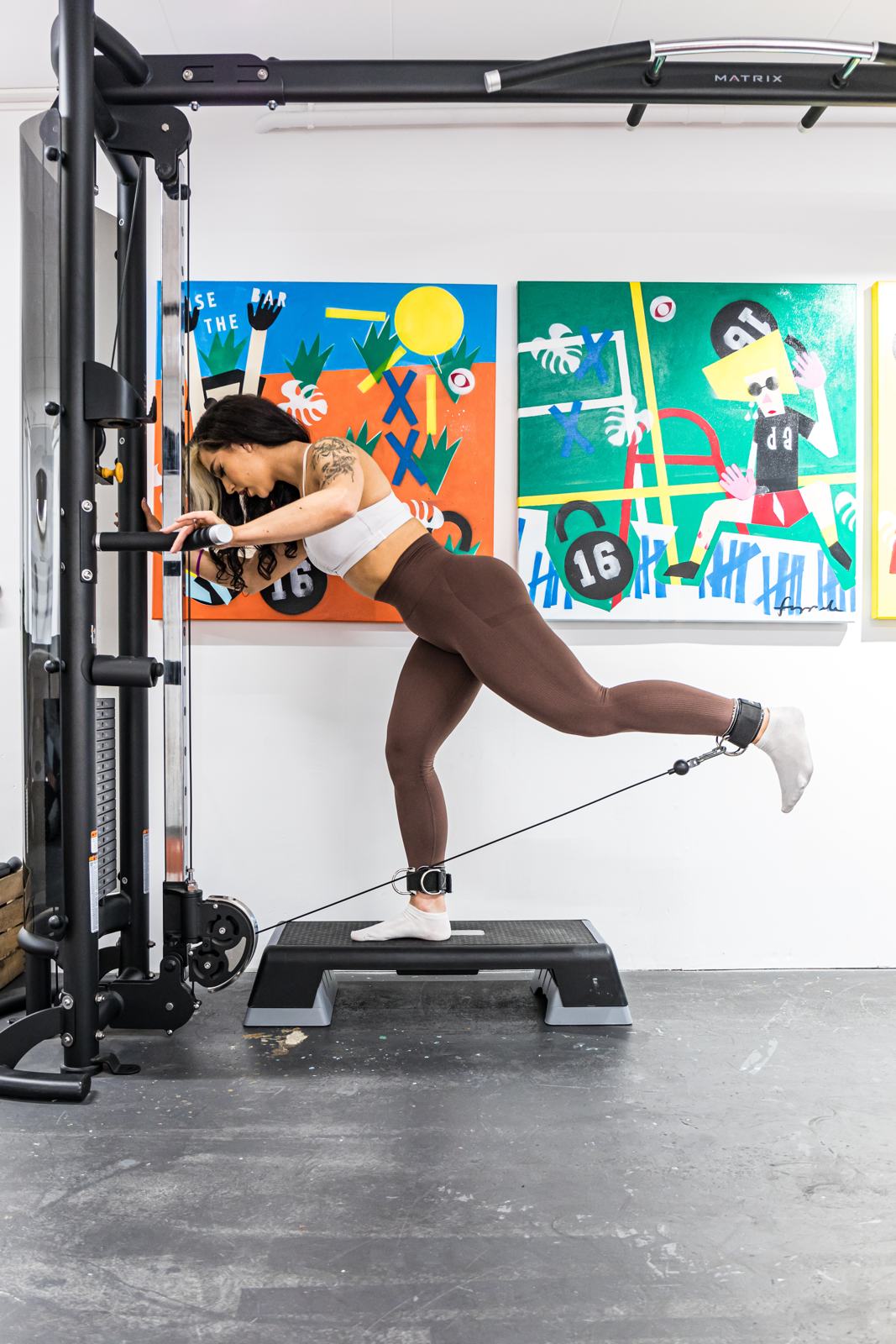
Technical failure versus muscular failure
A crucial distinction in training is the difference between technical failure and muscular failure.
Why this distinction matters
With large compound exercises such as squats, deadlifts and bench presses, training to muscular failure is unsafe and inefficient. Technique deteriorates, injury risk increases, and a supporting muscle group—your core, lower back or grip—often fails before the target muscle.
Therefore:
Examples:
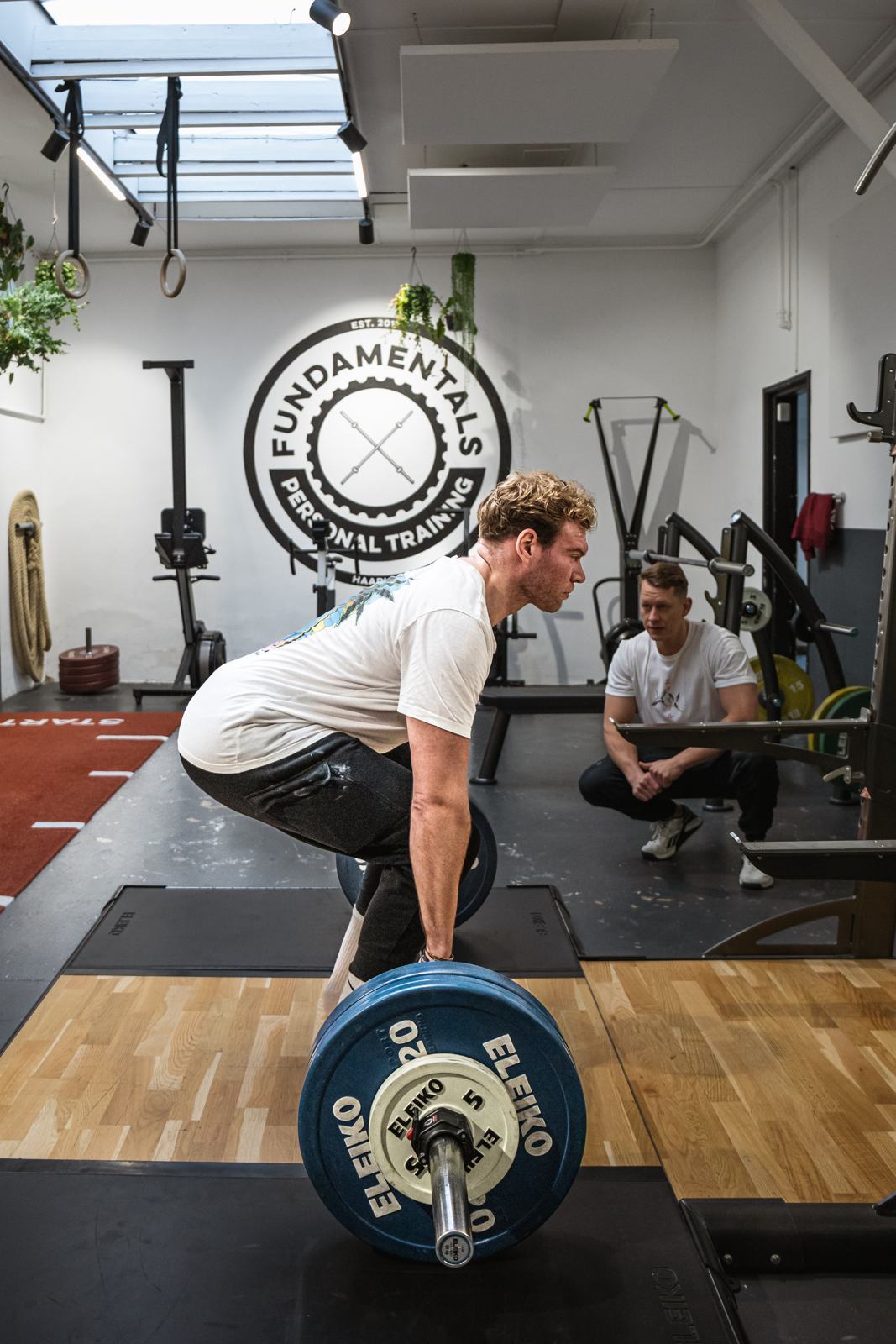
An optimal programme combines heavy compound lifts with targeted isolation exercises.
A practical approach for the quadriceps:
That gives you nine working sets for the quadriceps in one session. Twice a week puts an intermediate lifter in the optimal range for muscle growth. Beginners could choose two of these exercises. As a trainer, I would choose a split squat combined with a leg extension for a beginner, unless they prioritise strength over muscle growth.
Beginners: 0–2 years
Intermediate lifters: 2–5 years
Advanced lifters: 5+ years
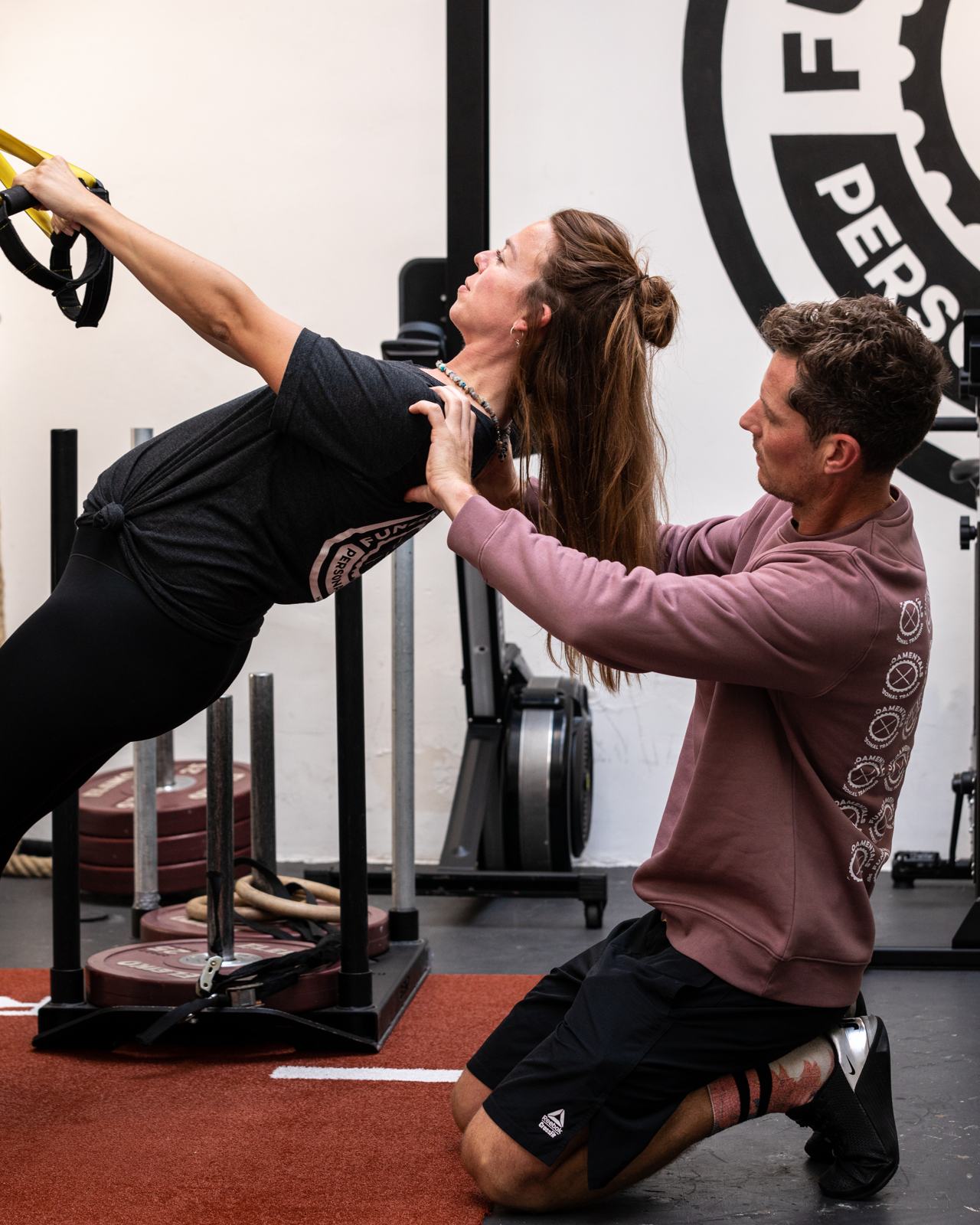
Putting it together:
A good training programme is not guesswork. It follows clear training principles. The right number of working sets, sensible repetition ranges and knowing when to approach technical or muscular failure make the difference between standing still and progressing.
Science provides direction, but the skill lies in personalisation: your body, recovery capacity and goals. That is where Fundamentals makes the difference. We translate this knowledge into a programme that fits your level, age and ambitions.
Still have questions? You will find the FAQ below.
Kickstart your journey
1. How often should I train each muscle group?
Twice a week is ideal. It lets you distribute your working sets more effectively and stimulates muscle growth more efficiently than doing everything in one session.
2. Which matters most: weight, repetitions or sets?
All three matter, but total training volume—sets × repetitions × weight—largely determines your results.
3. Should I always train to muscular failure?
No. With large compound movements, train to technical failure: stop when technique breaks down. Isolation and machine exercises can be taken to muscular failure.
4. Which is better: six or fifteen repetitions?
Both work. For men, 6–10 is often optimal; women can also grow well in the 8–15 range. Training close to failure is what makes it effective.
5. How much recovery do I need between sessions?
Allow 48–72 hours per muscle group. For example: legs on Monday, upper body on Wednesday and legs again on Friday.
6. Is strength training still worthwhile after 50?
Absolutely. It helps maintain muscle and bone density, prevents injuries and supports vitality. Training at least twice a week is strongly recommended.
7. How do I know whether I am a beginner, intermediate or advanced lifter?
8. What if I am not sore? Does that mean I did not train well?
No. Soreness is not a measure of muscle growth. Consistency, progressive overload and sufficient volume matter much more.
Ready to train independently? You can also join our Open Gym and put these tips into practice.
Start in the Open Gym

Written by
Start here
Three sessions with a coach. No strings attached.
Keep reading