“Use a weightlifting belt if you have lower-back pain” is something many gym-goers still mistakenly say and believe. This blog explains what a belt is actually for.
A weightlifting belt is NOT for your lower back: here is what it does
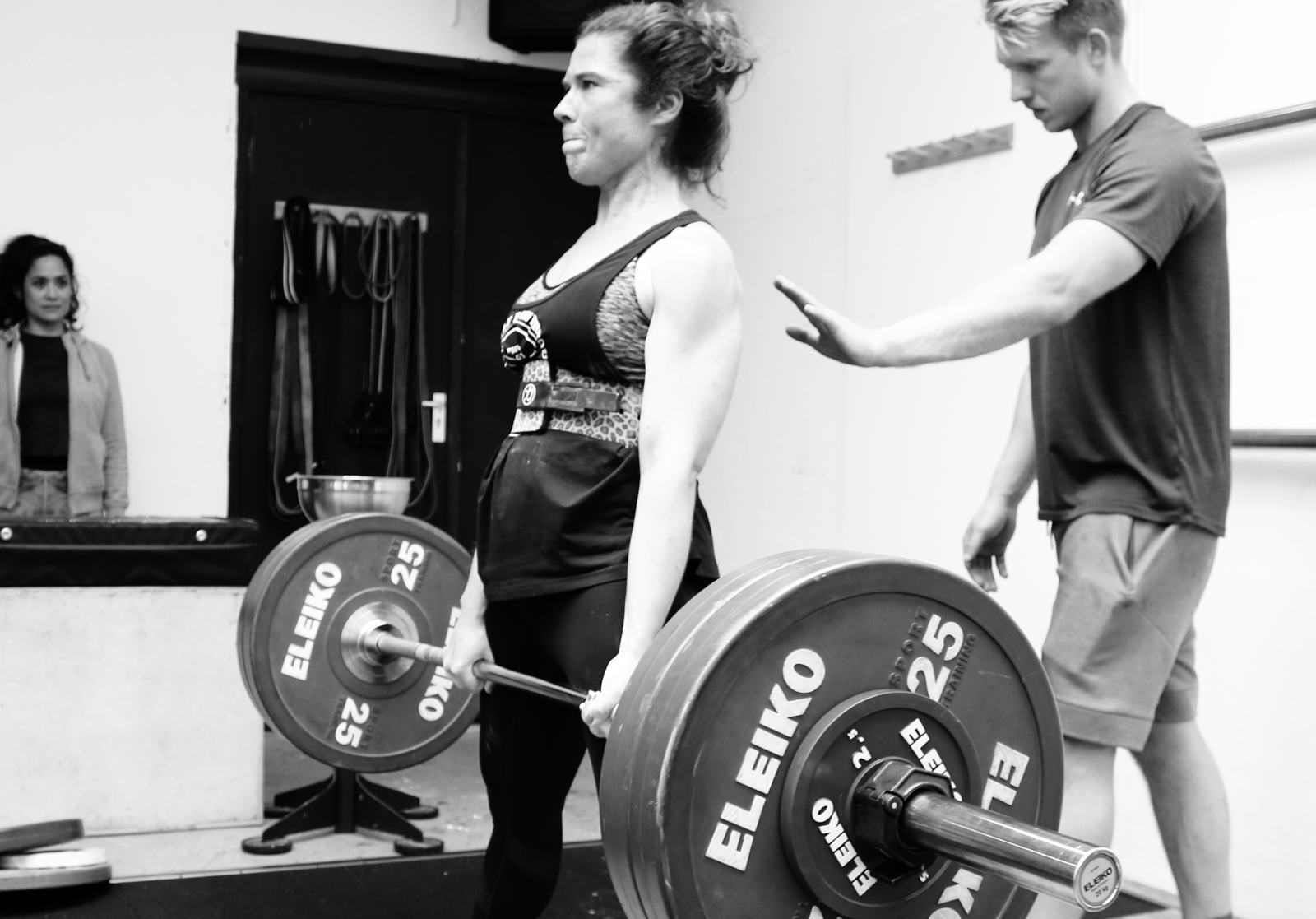
Let's be clear from the start: a belt is not intended to give your lower back extra support. You use it to strengthen your brace and lift more effectively. This blog explains how.
What is a brace?
Bracing uses your breathing to create pressure against your abdominal wall. Your body contains bones, muscles and other structures. Take your thigh: a large, strong bone is surrounded by the hamstrings, quadriceps and other tissues. The thigh bone itself is not designed to bend; movement takes place at the hip and knee. Around your abdomen, you have the spine, organs and muscles. Your spine, unlike the thigh bone, is designed to move. That is why bracing matters. During a deadlift, squat, snatch, clean or other lift, you want your back to remain straight and controlled. If you can achieve that without a belt, you may not need one at all. Your core matters alongside your brace.
What is your core?
Your core consists of all the muscles that stabilise your trunk during everyday activities and exercise. Alongside the rectus abdominis and obliques, these include the spinal erectors, the large back muscles—train them with lat pulldowns or pull-ups—and the hip flexors, often thought of as the “lower abdominals”.
Brace, core and belt
Bracing means tensing your muscles and using your breathing to create stability. Take a deep breath into your lungs and direct that pressure towards your abdomen. This can be quite complex. It requires your diaphragm—another important core muscle—to work and creates intra-abdominal pressure. That sounds complicated, but essentially you are preparing for impact, like a punch to the stomach. Having something to breathe against helps increase abdominal tension. That is what the belt is for.
Which belt should you choose, and when should you use it?
There are countless belts, and distinguishing useful features from marketing can be difficult. The aim is maximum intra-abdominal pressure while still allowing you to move well. For an Olympic lift such as a snatch, you need freedom of movement as well as pressure: the snatch is a technical movement. In powerlifting, greater flexibility is less desirable. Like many things in the gym, there is no one-size-fits-all answer. Your choice depends on your goals. Perhaps the most important questions are: does the belt feel comfortable, and does it help your lift? If so, it is the best belt for you right now.
Finally, when should you put it on? I often see people warm up without a belt and suddenly use one for their working sets. My advice: if you intend to use a belt, wear it from the start. You practise bracing during your warm-up too.
Happy lifting.
Written by
The Fundamentals team
Start here
Kickstart · €149
Three sessions with a coach. No strings attached.
Keep reading
More in Training.
Training
NL
Open Gym or Personal Training: What Fits Your Experience and Goals?
Open Gym gives you freedom. Personal training adds a plan, technique coaching and accountability. Discover which approach fits your experience, goals and the obstacles that held you back before.
How to Programme Strength Training for Optimal Muscle Growth
Whether you are new to strength training or have been doing it for years, muscle growth and strength gains are not a magic trick: they come from good planning and consistent execution. Countless routines and recommendations circulate in fitness, often without clear scientific support. At Fundamentals, we want to challenge those myths and explain how training principles really work. This blog covers working sets, differences between men and women, training to failure, and adapting your programme to your age and experience.