FUNDAMENTALS
Hormones, Hormonal Balance and Strength Training
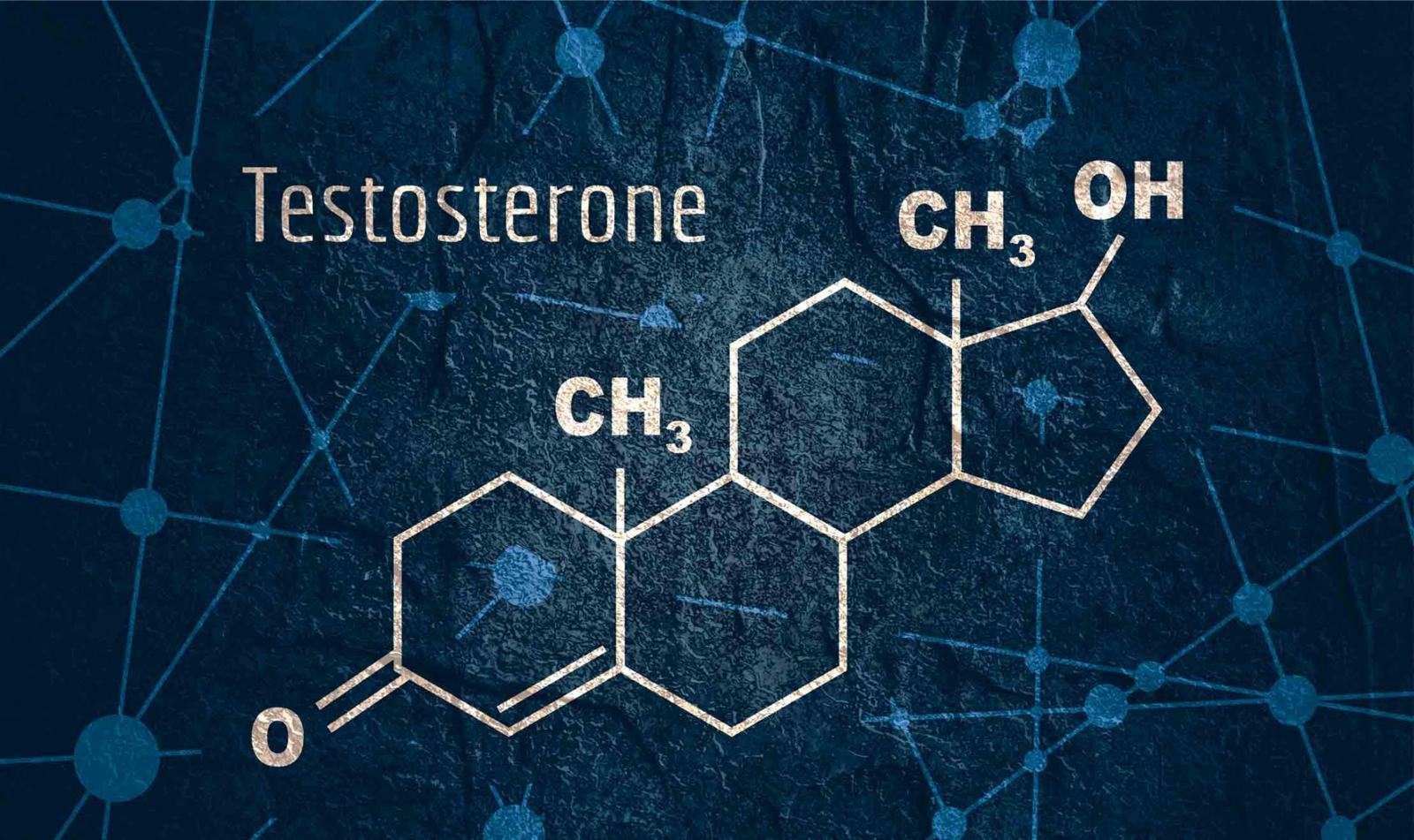
This article explains what hormones are, which types play major roles in men and women, and how lifestyle choices such as sleep, nutrition and routine can improve your hormonal balance.
What are hormones, and why are they so important?
Hormones are chemical messengers that travel through our blood, carrying signals to organs and tissues. They regulate almost every process in our bodies, from energy use and digestion to mood, fertility, recovery and even our ability to learn. Disruptions can cause symptoms such as fatigue, sleep problems, low mood, reduced muscle growth or increased fat storage.
The main hormones in men and women
Although men and women have largely the same hormones, some are more dominant in one sex than the other.

Why hormonal balance is essential for your health
Hormones never work in isolation. They interact in complex ways, and an imbalance in one area can affect your overall health. Examples include more abdominal fat, reduced muscle mass, lower energy, mood swings, difficulty losing weight and poorer sports performance.
Circadian rhythm and the role of sleep
Our bodies follow a circadian rhythm: a biological clock of approximately 24 hours that determines when hormones are produced. Going to bed and waking up at roughly the same time each day supports this rhythm. If you do not—for example, going to bed at 22:00 one night and 23:30 the next—your biological clock becomes disrupted.
A personal note: I go to bed around 22:00 every evening and get up at 06:30. This gives me energy and helps me train consistently and keep my body balanced.

Movement and strength training for healthy hormones
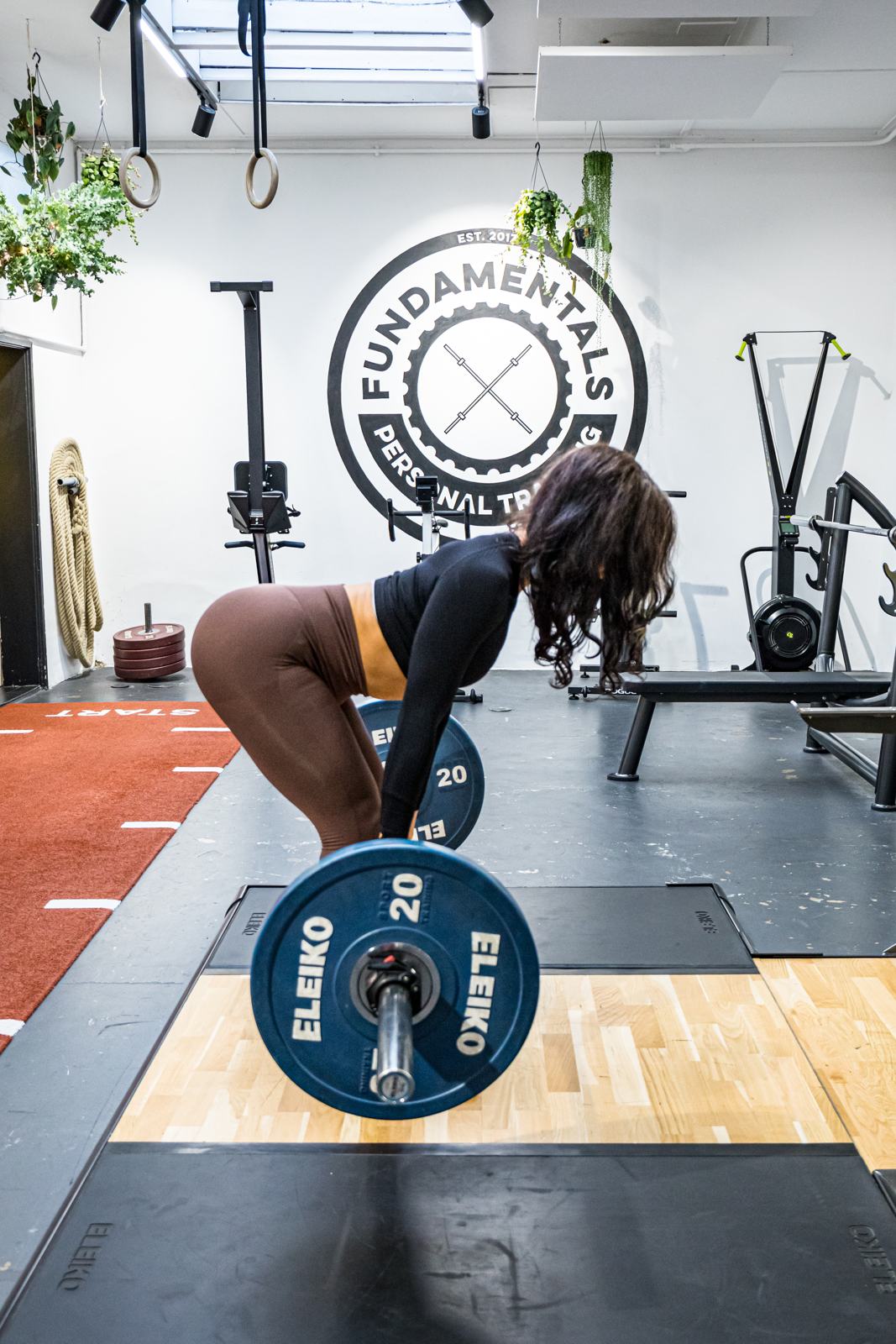
Regular exercise, particularly strength training, has a direct positive effect on your hormones:
The boring forties: structure as a foundation for balance
I am now forty, and I notice that structure matters more than ever. Consistent sleep, meals and training help keep my energy stable, improve recovery and optimise my hormonal balance.
Conclusion: balanced hormones, balanced life
Hormones literally determine how you feel, perform and look. Investing in a regular sleep schedule, consistent nutrition and regular strength training gives your body the best support.
Frequently asked questions about hormones
How do I know if my hormones are out of balance?
Typical signs include fatigue, mood swings, weight gain, sleep problems, reduced muscle growth or muscle loss.
What foods support a healthy hormonal system?
A consistent eating pattern with enough protein, healthy fats and complex carbohydrates matters. Avoid large fluctuations in calorie intake and heavily processed food.
Does strength training improve your hormones?
Yes. It stimulates testosterone and growth hormone production, reduces chronically elevated cortisol and improves insulin sensitivity.
How much sleep do I need for healthy hormones?
Adults need an average of seven to nine hours per night. Even more important is a regular sleep schedule that supports your circadian rhythm.
Can stress disrupt my hormones?
Absolutely. Chronic stress raises cortisol, which can lead to fat storage, muscle breakdown and sleep problems. Relaxation and exercise help reduce it.
Kickstart your healthy lifestyle

Written by
Start here
Three sessions with a coach. No strings attached.
Keep reading