FUNDAMENTALS
Optimal Training for Rounder Glutes
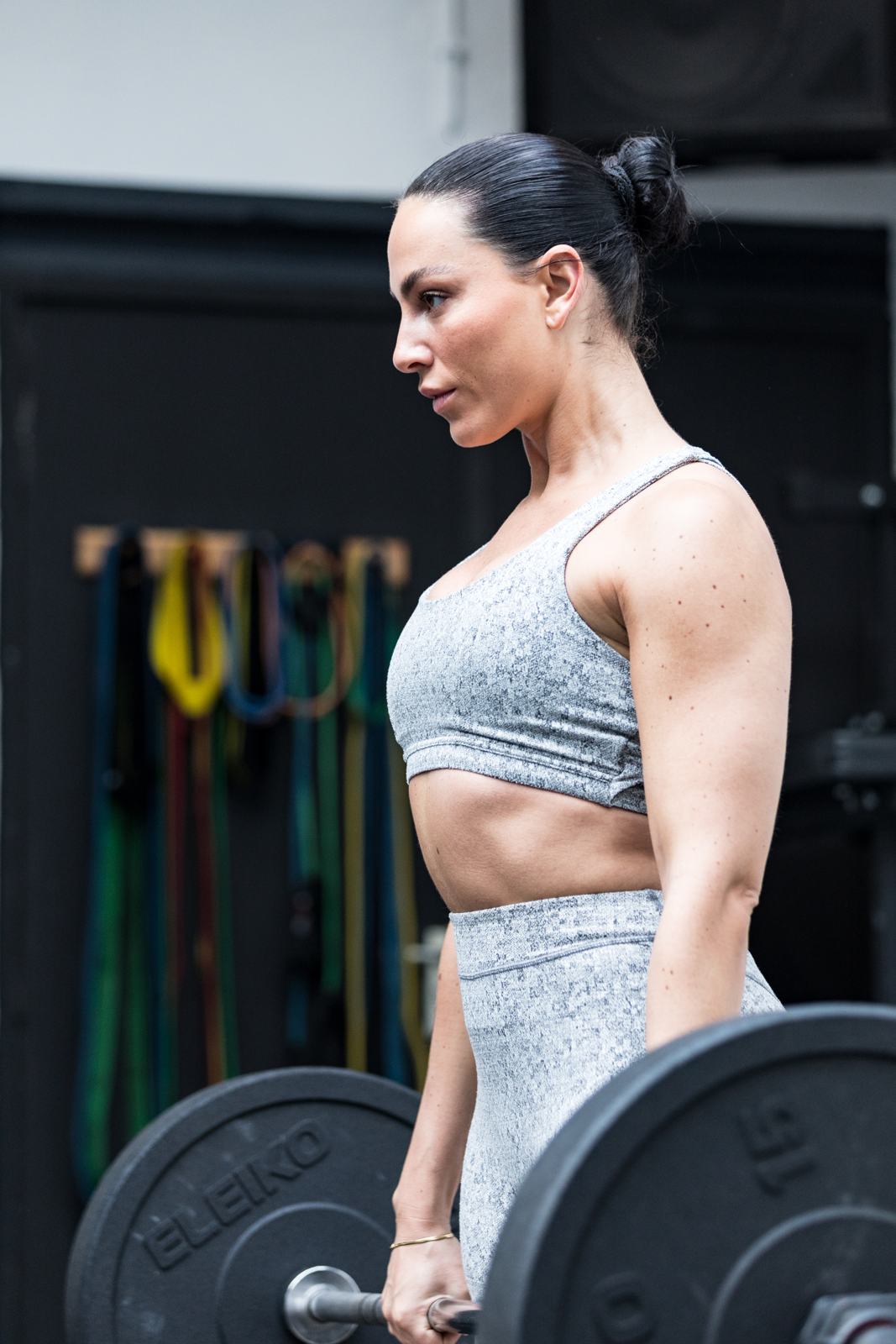
Training frequency means how often you train your glutes each week. It is crucial for building muscle and achieving your desired results. Regular training provides the stimulus your muscles need to grow. Training creates fatigue; during recovery, energy is replenished so that you return stronger. Good recovery depends on an active daily lifestyle, nutritious food with enough calories to support recovery, and good sleep. Depending on your goals—growing muscle is very difficult when trying to lose weight—you and your Fundamentals trainer can identify the key ingredients for your ideal glutes.
Training your glutes often enough gives them the chance to adapt and grow, producing firmer, more defined glutes. But how often is enough?
If you have not yet trained consistently for more than two years, you are a beginner. For beginners, we recommend eight to twelve working sets per muscle group each week, divided over at least two sessions. Doing ten working sets for your glutes every session therefore offers little benefit.
Supercompensation is directly related to training frequency and recovery. It describes the body's ability to become stronger and perform better after a period of training and recovery. This happens as the body adapts to the training stimulus and prepares for future challenges.
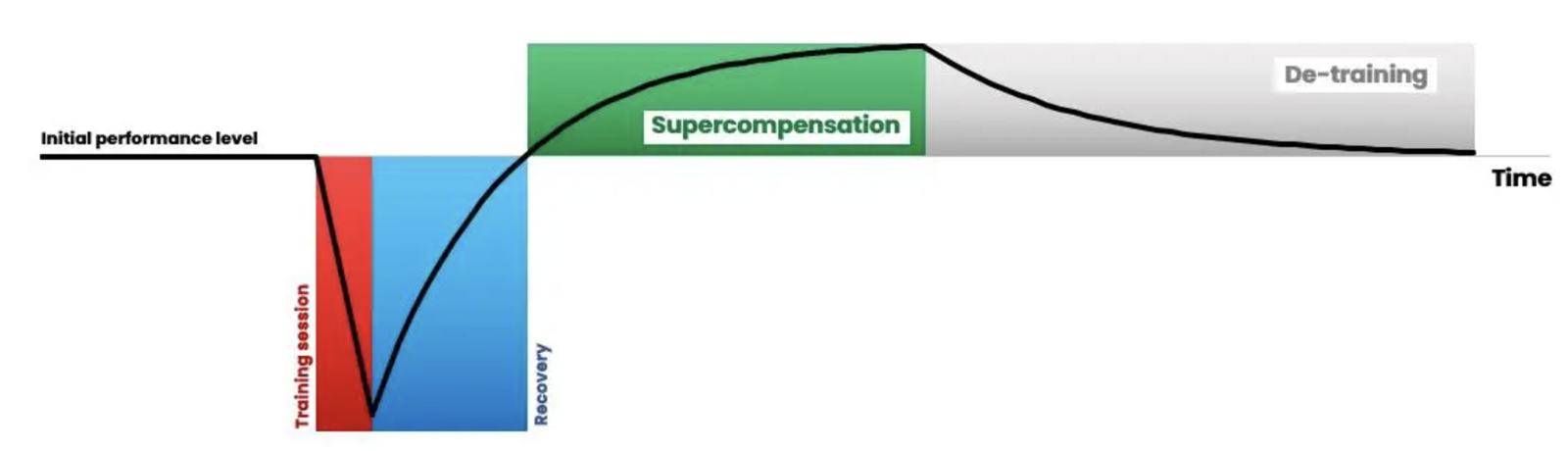
To make the most of supercompensation when building rounder glutes, balance training stimulus with recovery time. Train your glutes when they have recovered sufficiently but are still in the supercompensation phase. Do not wait too long, but do not train again too soon either, as this can lead to overtraining and reduced supercompensation.
The image above shows that supercompensation follows recovery. Recovery takes at least 48 hours, and the supercompensation period lasts approximately 72 hours. Ideally, apply a second training stimulus between two and five days later. That stimulus can be heavier than the previous session. At Fundamentals, we use microloading for more advanced lifters. For example, after doing four sets of fifteen hip thrusts at 50 kg on Monday, you could do four sets of fifteen at 51 kg next time. The ideal increase is one you can perform with perfect technique while approaching technical failure. Challenge yourself. A Fundamentals trainer can help you find that individual combination.
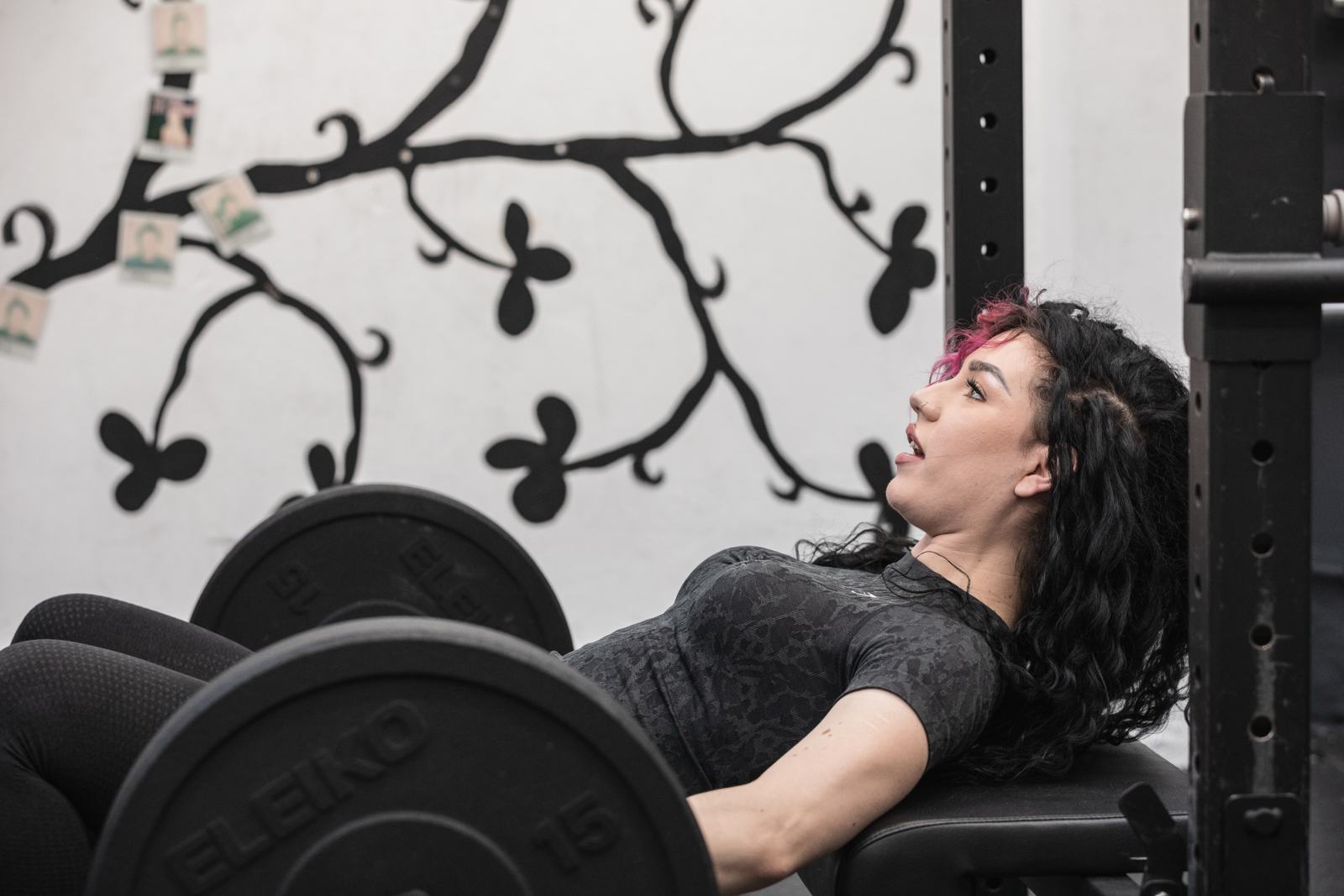
For rounder glutes, training them two or three times a week is generally recommended. This provides sufficient stimulus and recovery for maximum muscle growth. Follow a varied programme with exercises such as squats, lunges, deadlifts and glute bridges. Different exercises and variations keep challenging your muscles and encourage supercompensation.
Listening to your body is essential when deciding how often to train. Watch for fatigue, exhaustion and signs of overtraining. If your muscles are not recovering well or you feel constantly tired, schedule extra rest days. Rest and recovery are just as important as training for allowing supercompensation.
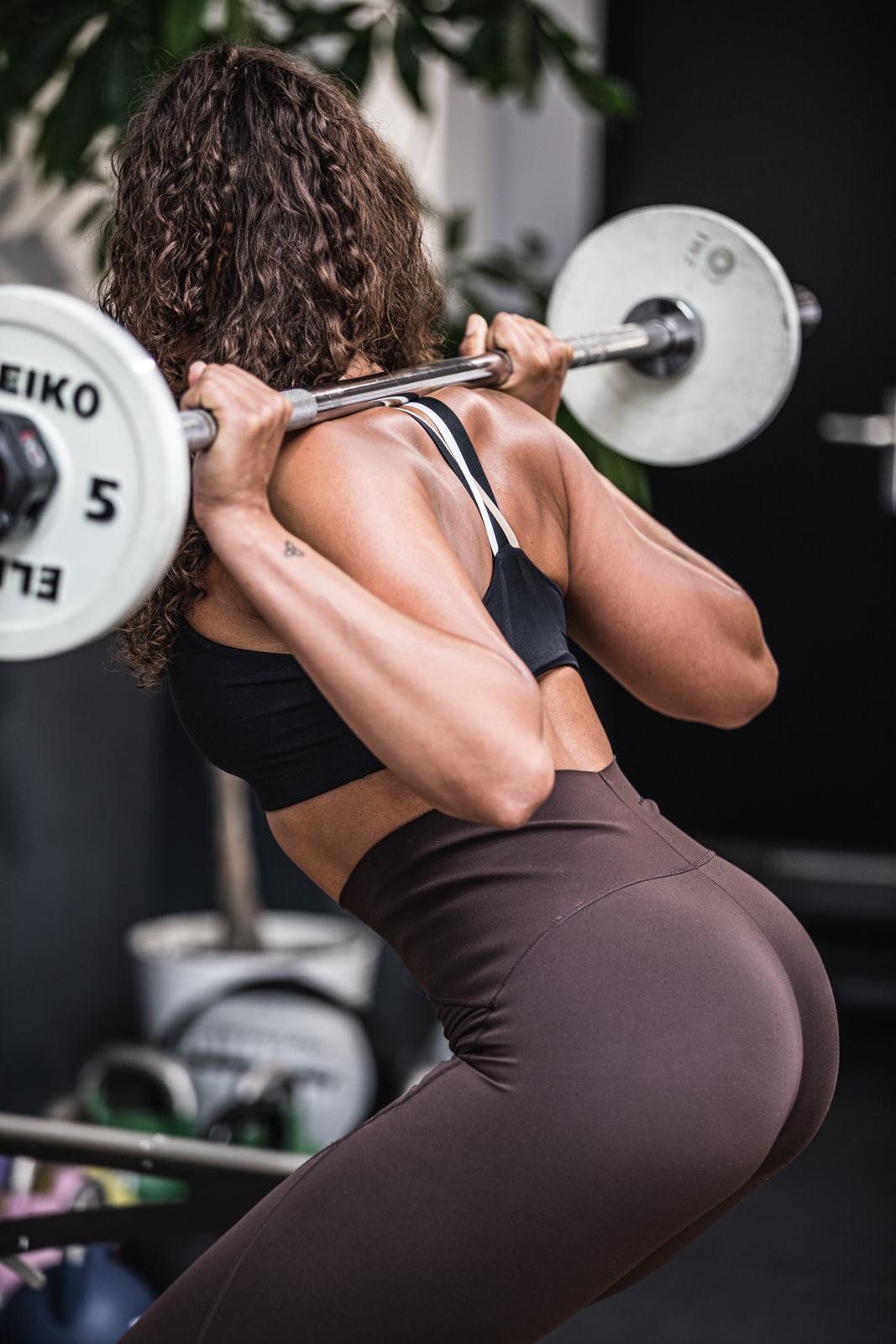
Serious about rounder glutes? Request a Kickstart with Eva. She can explain the key ingredients in training and nutrition, and how to apply progressive overload and supercompensation.

Written by
Start here
Three sessions with a coach. No strings attached.
Keep reading