FUNDAMENTALS
Menopause, Hormones and Strength Training
There is a taboo around perimenopause and menopause. There is also a taboo around reduced libido and erectile problems. These are two topics that women and men over 35 often find difficult to discuss. Comedians use them as material: think of Hans Teeuwen mocking women going through menopause in his show “Dat dan weer wel”. We laugh loudly, perhaps rather uncomfortably. Yet all of us face hormonal changes. These can begin around age 35 and sometimes continue for as long as 15 years. Declining testosterone is also strongly linked to sarcopenia, where muscle breaks down faster than it is built, potentially leading to weaker muscles and bones. It is deeply frustrating, and you cannot stop it happening.
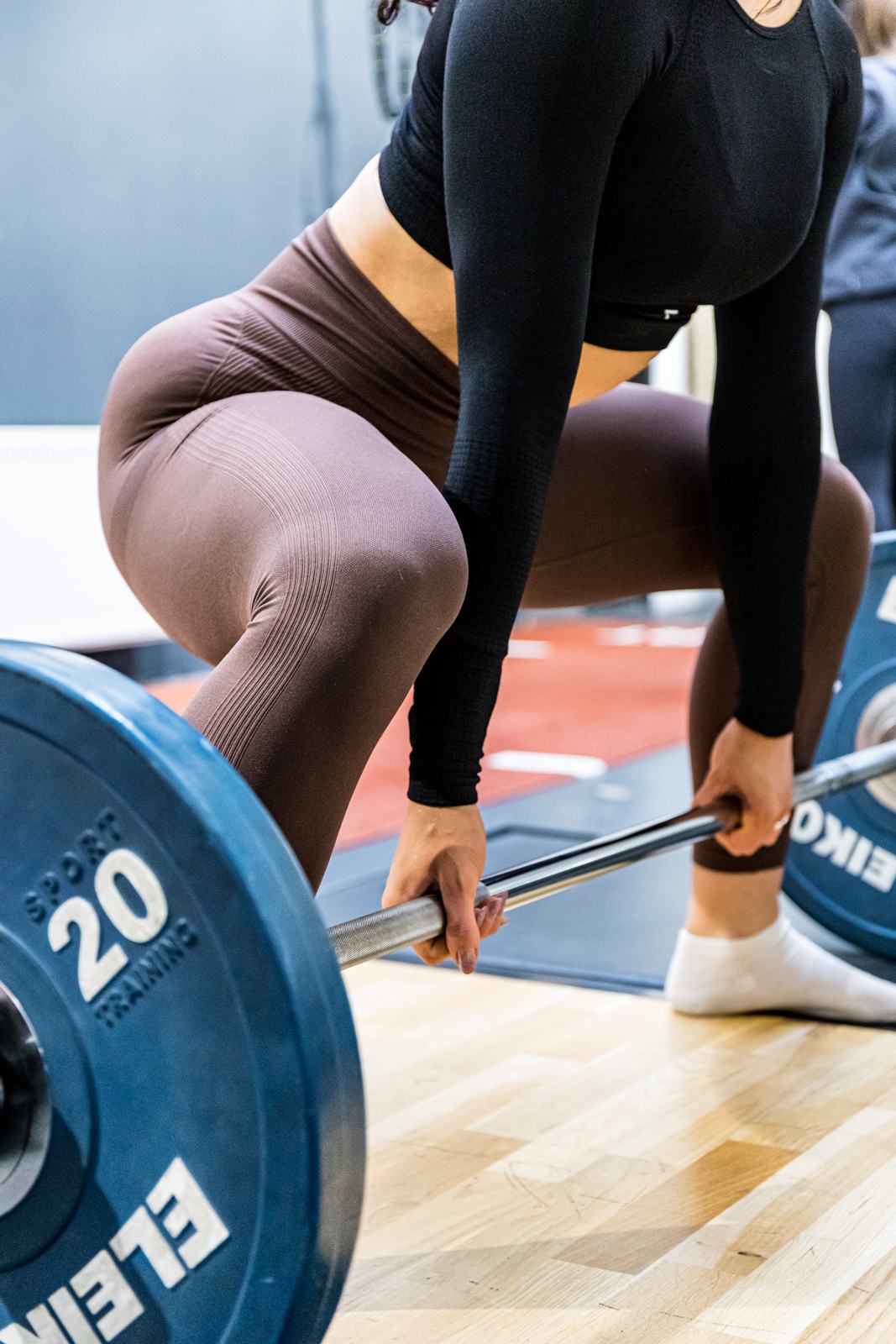
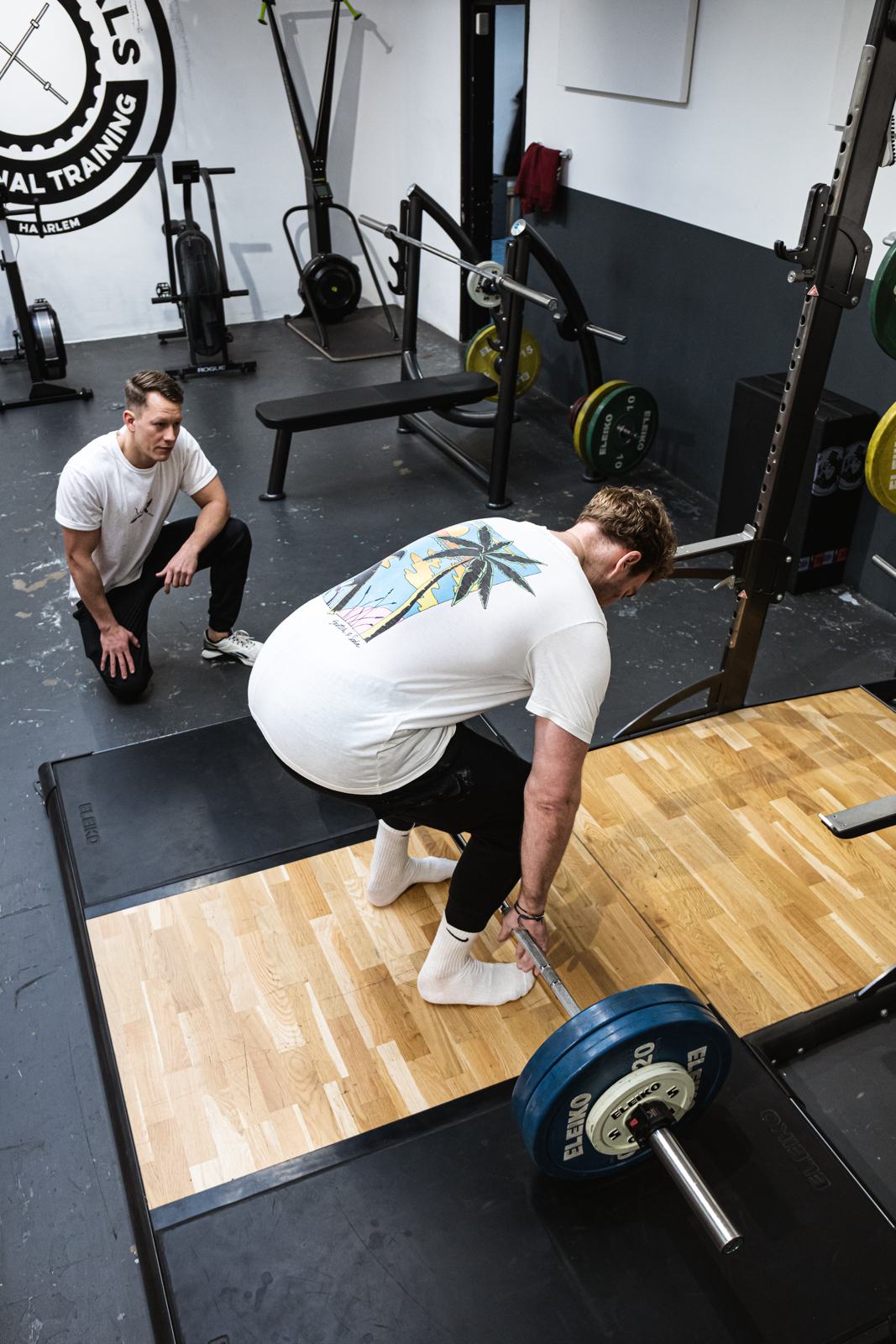
What you can do is adjust your lifestyle. Nutrition plays a crucial role, including eating enough protein-rich food. But perhaps the most important thing is this: do strength training. By that, I do not mean performing a few isolation exercises at the gym, such as using the biceps machine because your arms feel weak. Lift heavy weights. Do your deadlifts and aim to lift at least your own body weight.
Yoga & strength training
Let me start by saying that, as the author of this blog, I am a big fan of yoga. It brings mental calm, develops mobility and stability, and makes you stronger, especially compared with doing nothing. So if you enjoy yoga, do yoga!
One element missing from yoga, however, is optimally developing strength and muscle mass. Holding a pose for a long time certainly trains your muscles. Compared with strength training, though, the development of mobility, stability and strength is less effective. Beyond your body weight, you are not giving your musculoskeletal system the same targeted stimulus to become stronger that dedicated strength training can provide. In my view, a combination of the two is ideal. For example, go to the gym twice a week for targeted strength training and combine this with one or two yoga classes. I can hear you thinking: “Exercise four times a week? Isn't that far too much? I'm tired just thinking about it, and it would never fit into my busy schedule.” Well, it may be more manageable than you think. A week has 168 hours. You sleep for about 56 of those, leaving 112. With a full-time, 40-hour job, you have 72 hours of “free time” left. Four hours of exercise is just under 6% of that. That does not seem too bad to me. Enough from know-it-all Thijs and his gym; I do hope it motivates you :-)
Cardio & strength training
The same applies here as with yoga. I am a fan of cardio, such as long-distance cycling or running. It trains your heart, lungs and muscles. You are also often outdoors in nature, which brings mental calm. As with yoga, however, it trains your musculoskeletal system—muscles, bones, joints and neural control—significantly less effectively than strength training. My view on cardio is the same: the more you can combine these activities, the better.
Back to perimenopause and menopause.
For women, this change happens at a hormonal level. At the start of this blog, I wrote that physical and mental changes also occur in men. I want to highlight three important hormones: testosterone, oestrogen and progesterone. All three play important roles in reproduction. Testosterone is more prominent in men, but this “male” hormone is also present in women. From age 35, testosterone declines in both men and women. This leads to reduced energy, libido, muscle mass and strength. In women, oestrogen and progesterone play an important role as the reproductive system changes. Both hormones are also present and important in men, although their impact is smaller. Alongside other symptoms, these changes can lead to weight gain and bone loss.
Actively reduce the impact.
The literature is clear: the impact and symptoms of these hormonal changes differ between people. It is also clear that you can take steps to reduce their impact. Strength training is extremely important. It provides a targeted approach to the musculoskeletal system, which clearly also increases bone density. Strength training maintains or improves testosterone levels and reduces the decline in oestrogen and progesterone. Does it stop the process completely? No. You cannot prevent these physical and mental changes altogether. What you can do is take action so that they have less impact on your life. You regain control and feel less at their mercy. All you need to do is lift weights twice a week, make a training plan with or without a trainer, and protect those two appointments in your busy schedule. Struggling to do that yourself? Find a trainer who helps you build a plan, provides accountability and helps you stay fit and energetic. A trainer is invaluable if they help you become or remain healthy. After all, you take your car to the garage for maintenance. Why not look after yourself with an informed approach too?
Beyond a fitter, more toned body, strength training has other important benefits. Choose more energy and take care of yourself. You deserve it!
Thijs Avezaat — 38 years old.

A personal note: as a gym owner, I also regularly struggle with motivation to train. I enjoy playing with my children, doing the housework (well, enjoy might be a stretch), going out for dinner with my partner or settling on the sofa for a Netflix binge. This message is very much addressed to myself as well.

Written by
Start here
Three sessions with a coach. No strings attached.
Keep reading