FUNDAMENTALS
Why Am I Not Losing Weight Even Though I Exercise Regularly?
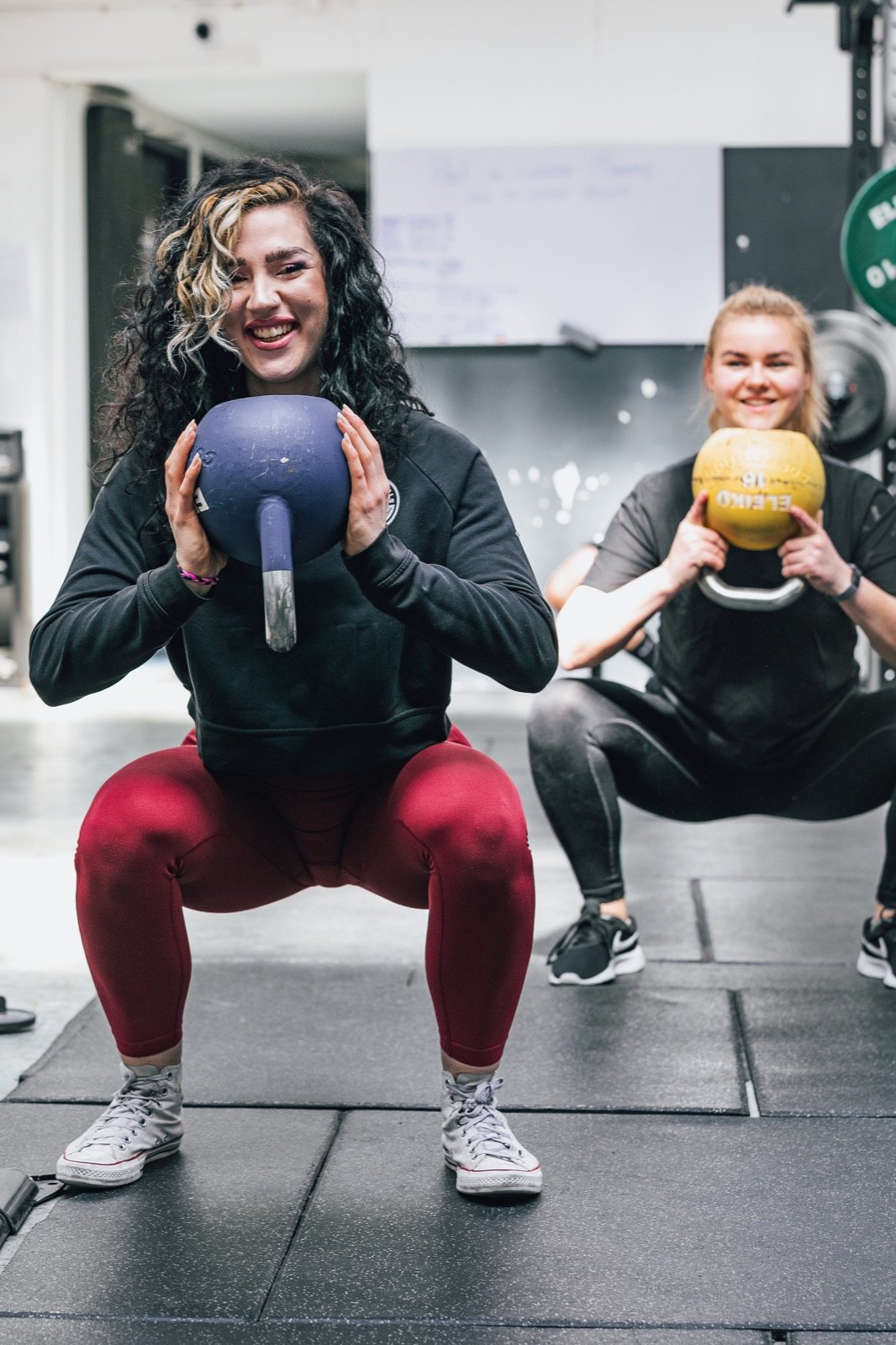
You cycle to work, make time for the gym and try to eat well. Yet the number on the scales barely changes. What are you missing?
It is a familiar frustration. Training regularly is valuable for your strength, fitness and health, even when your weight stays the same. But if losing body fat is your goal, your workouts need to fit into the rest of your week.
At Fundamentals in Haarlem and Alkmaar, our starting point is practical: look at what you actually do, choose a manageable plan and adjust it as you learn. No promise of a quick transformation. Just a clearer approach that fits work, family and everyday life.
To lose weight, your body needs to use more energy than it receives from food and drink over time. Regular exercise helps, but it does not automatically create that balance.
Think about an ordinary week: your lunch at work, an extra portion after training, drinks at a Friday borrel and meals out at the weekend. None of those things makes you a failure. Together, however, they may explain why your weight remains stable.
Before adding another workout, look at your usual portions, snacks and drinks across the whole week. You do not have to give up bread, potatoes or every social occasion. Start with a change you can realistically repeat.
Our article Nutrition and Exercise explores how food and training fit together. Treat calorie calculations as estimates to discuss with your coach, rather than exact prescriptions for everyone.
Your weight can change from day to day without an equivalent change in body fat. A single reading is not a useful verdict on your effort.
If weighing yourself helps, use comparable conditions and look at the trend over several weeks. Alongside kilograms, consider your waist measurement, how your clothes fit and whether your exercises are becoming easier.
Getting stronger is worthwhile progress. It does not automatically mean you are losing fat, but it is a reason to assess more than the scales alone.
Feeling exhausted after a workout does not tell you whether the programme matches your goal.
A clear strength-training programme makes progress easier to follow. You know which exercises to practise, how many sets and repetitions to complete and when to adjust the challenge. Strength training can also help preserve muscle while losing weight.
You do not need to reinvent your workout every week. You need enough consistency to see what is working, with adjustments when your progress or circumstances call for them.
If you are unsure whether to train independently or with a coach, read Open Gym or Personal Training: What Fits Your Experience and Goals?.
Two or three gym sessions can still be part of a week spent mostly sitting: at a desk, on the train or on the sofa.
In the Netherlands, everyday movement can be relatively straightforward to build in. Cycle for a short journey, walk during lunch or take an evening walk. Choose an option that suits your routine rather than setting a step target you cannot maintain.
The Dutch physical activity guidelines advise adults to do at least 150 minutes of moderately intense activity a week, spread over several days, plus muscle- and bone-strengthening activities at least twice a week. They also advise avoiding long periods of sitting. These are health guidelines, not a guarantee of weight loss.
Your coach can help translate that broad advice into a manageable week.
A plan that only works when your diary is empty is unlikely to last.
A busy job, school runs, irregular shifts or a poor night's sleep can make an ambitious schedule difficult. Rather than restarting every Monday, agree on a routine you can return to after an imperfect day.
For example, reserve two regular training appointments and prepare a few familiar meals you enjoy. When your week changes, adjust the plan instead of abandoning it. The right amount of support depends on where you tend to get stuck.

A personal trainer does more than provide exercises. At Fundamentals, coaching can help you connect your goal with a realistic plan:
Our Kickstart includes personal training, your own programme and food-coaching basics. Fundamentals Experience combines coached training, Open Gym and food and lifestyle coaching. Compare the current starting options, or read Welcome Aboard! Kickstart and Welcome Aboard! Experience to understand what to expect.
Personal training cannot guarantee a particular number of kilograms lost. Its value is individual guidance, structure and accountability. If you have unexplained weight changes, other symptoms or questions about medication, speak with your huisarts. A dietitian can help with nutrition needs that require specialist advice.
If you train regularly but feel stuck, we can help you take a fresh look at your programme and the habits around it.
Explore personal training in Haarlem Centrum, Haarlem Oost and Alkmaar, or contact your local Fundamentals team. We will discuss what support makes sense for you.
For independent background information, see the Voedingscentrum on weight loss and movement and the Dutch physical activity guidelines from the Gezondheidsraad. These sources support the general advice; your own plan still needs to fit your circumstances.

© Fundamentals 2017–2026


