FUNDAMENTALS
What Are Macros?
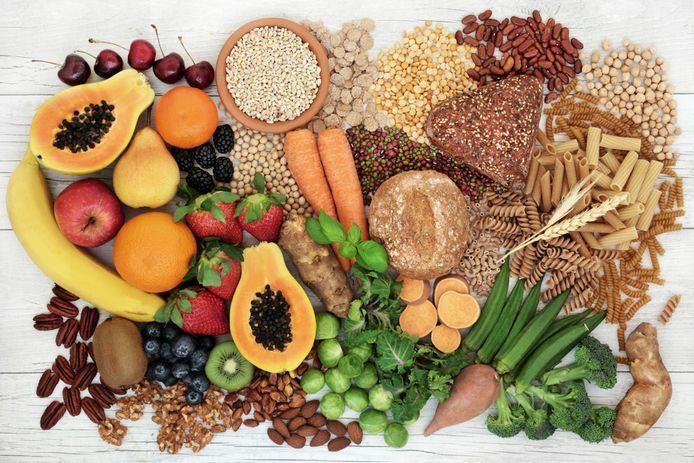
Macros are categories of nutrients in our diet: carbohydrates, protein and fats. What exactly are carbohydrates? How much protein should you eat each day when strength training? This blog answers those questions.
Are carbohydrates good for me?
A lot is said and written about carbohydrates. On social media, I increasingly see them portrayed as the enemy when trying to lose weight. Let me say straight away: that is not true. You need carbohydrates for sufficient energy during physical activity. Besides, life is too short to give up delicious carbohydrates. Eat your carbs—you need them!
There is a potential “danger”, though: it is easy to eat too many because they taste good. If a bowl of delicious dates is in front of you, try limiting yourself to one or two. Difficult, isn't it? This can put your calorie budget under pressure. Read more about calories and how many to eat in this blog.
What types of carbohydrates are there?
The simplest distinction is between carbohydrates made up of starch or sugar and those rich in fibre. Starches and sugars provide energy—nothing inherently wrong with that—which you can use before or after activity. However, they offer little additional benefit. Fibre-rich carbohydrates do more for your body, including supporting digestive health. Many people eating low-carbohydrate diets experience bloating, often because they lack dietary fibre from fruit or grain products. Eating enough vegetables helps because they also contain fibre-rich carbohydrates.
Which carbohydrates should you choose?
We encourage carbohydrates from potatoes—sweet potatoes contain more fibre than white potatoes—grain products such as oats or wholemeal bread, fresh fruit and vegetables. Calories vary greatly between fruits because their sugar contents differ.
Carbohydrates that taste good but offer little added value include processed foods, sugars and starch products. Breakfast cereals such as crunchy granola are often baked and contain many additives or substantial sugar. The same applies to chips: the potato is soaked in fat, which we discuss later, making it high in calories. Pasta also contains many calories and therefore plenty of energy, but little fibre.

How much protein should I eat?
Protein: the holy grail for active people. We fill the barbecue and eat enough protein on one lovely summer evening to last the rest of the week. Unfortunately, it does not work that way.
Generally, protein uptake per meal is between 20 and 35 grams. The greater your lean body mass, the more you can absorb per meal. Eating more than you can absorb is not disastrous, but your body finds it less easy to process and it wastes money. Steak is not cheap. Also, importantly, 100 grams of steak does not equal 100 grams of protein. Read the nutritional information.
Now that we know how much protein to eat at one sitting, we can determine your daily target to support activity. The rule of thumb is:
For example, if you weigh 70 kg and strength train, your daily target is 105–140 grams. At the upper target of 140 grams, three meals would require 46.6 grams per meal. Since this is absorbed less efficiently, add another eating occasion. In this example, you would eat at least five times a day. If that is difficult, you can replace an eating occasion with a protein shake.
These amounts sound large, and honestly, they are. Missing your protein target for a day is not a disaster. Do not be too hard on yourself. These figures are guidelines to aim for. They also help you set macro percentages when using a food tracker such as MyFitnessPal.
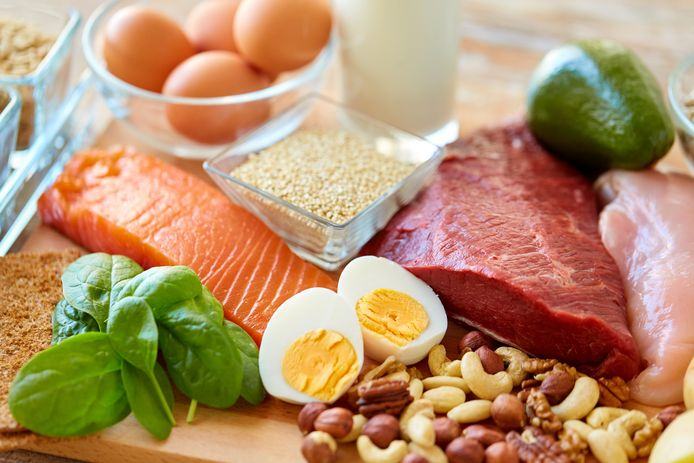
Vegetarian protein
Meeting protein needs is a little harder on a vegetarian diet, but certainly achievable. Eating more vegetarian food can be beneficial: alongside environmental advantages, obtaining protein from more plant foods increases fibre intake. Your gut will thank you. The requirements do not change; your targets remain the same.
Plant-based protein sources include:
Overall, vegetarians face a slightly greater challenge in reaching daily protein targets because the range of choices is more limited than for people eating meat.
Are fats healthy?
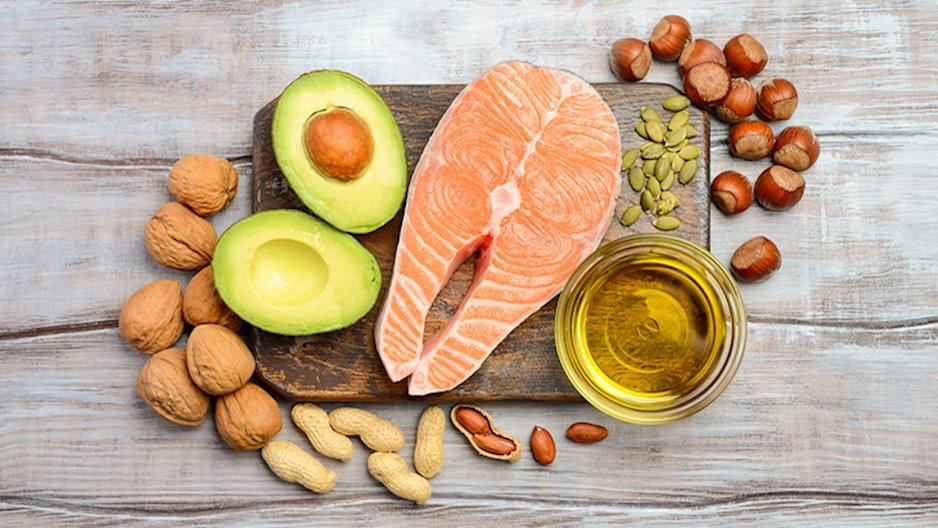
This is not a simple question. There are healthier and less healthy fats, but fundamentally fat is a nutrient. You cannot therefore say that saturated fats are always unhealthy. If you are barely eating for any reason, a supposedly unhealthy fat may be a healthy choice in that situation. Would another food be preferable? I think so. Generally, we aim for fat to supply 20–30% of total calorie intake. Note that fat provides 9 kcal per gram: it offers relatively little fullness but many calories. Protein and carbohydrates each provide 4 kcal per gram, so fat provides more than twice as much.
There are different types of fatty acids. To keep this clear, I will focus on unsaturated and saturated fats. The general guideline is to obtain around 90% of your fats from healthier unsaturated sources and 10% from saturated sources.
Unsaturated fat sources include:
Saturated fat sources include:
Manufactured foods often contain added fats. These make a product more calorie-dense—which our brains enjoy—but not necessarily healthier. In my view, a paleo eating pattern is a healthy goal. Paleo includes foods obtained directly from nature, such as vegetables, fruit, meat, fish and poultry.
You can always ask your trainer about nutrition. They can help you get started with the basics. For more in-depth support, contact us about food coaching with Thijs, Louise, Steven or Chanelva.
I hope this blog offers useful insights. Good luck, and let the improvements begin.
Written by Thijs Avezaat.

Written by
Start here
Three sessions with a coach. No strings attached.
Keep reading